

History of WLCG
History of WLCG
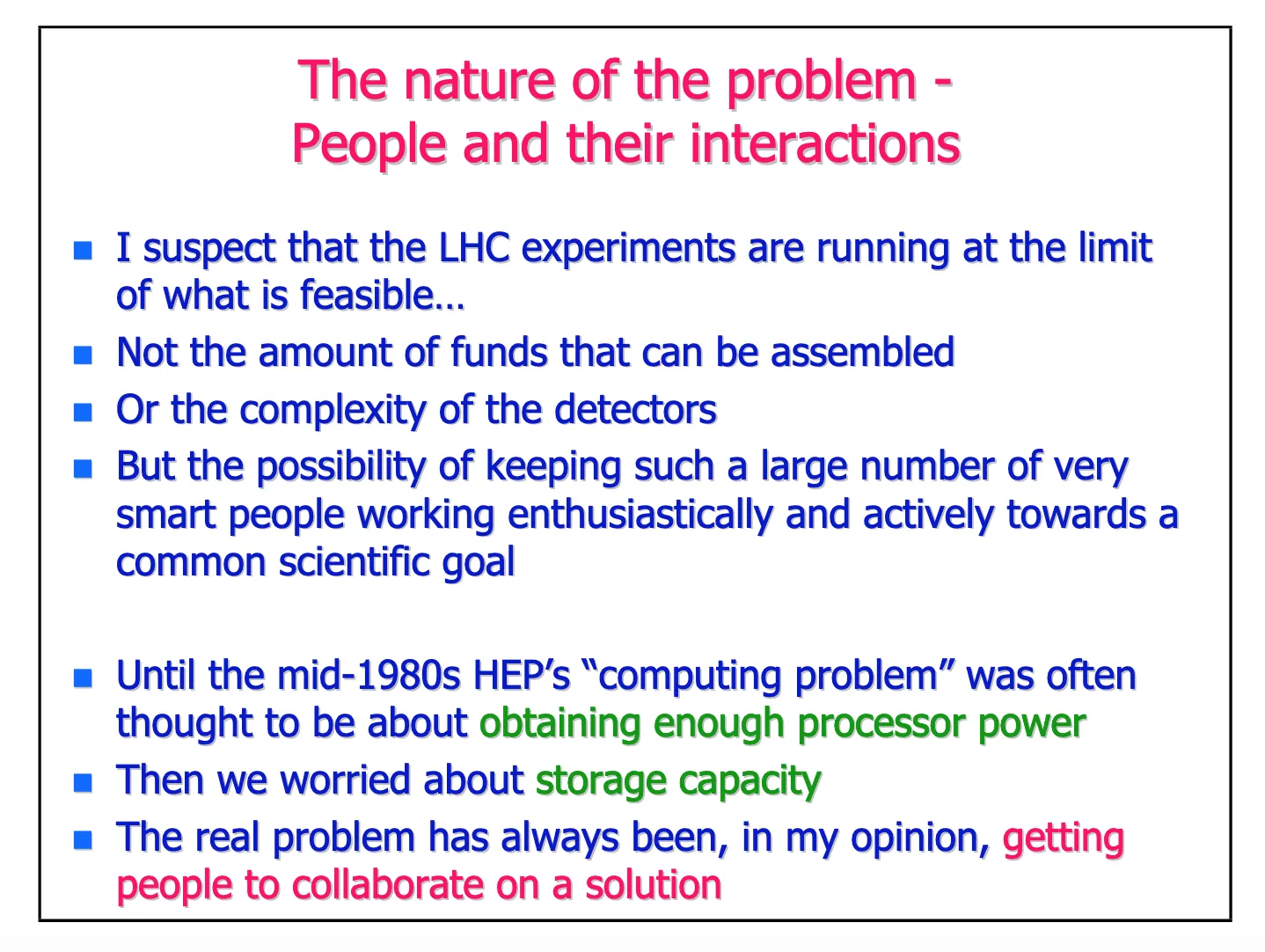
The history (and indeed the present and future!) of WLCG is as much about people and collaboration as about technology.
Although the LHC experiments were designed and built from 1984 onwards, the challenge of LHC computing was only tackled seriously much later, at the end of the ‘90s.
Challenges
The LHC was (and is) expected to run for many years and produce far more data than technology at the time could reasonably handle in a single location. How could the challenges of mass data storage, processing and data transfer be dealt with?
In 1999, the Grid paradigm was emerging, initially proposed in 1999 by Ian Foster and Carl Kesselman.
CERN did not have the computing, financial or human resources on-site to crunch the immense data tsunami expected from the LHC.
Therefore in 2002 CERN turned to grid computing to share the burden with computer centres around the world.
The resulting Worldwide LHC Computing Grid was built on the ideas of grid technology proposed by Foster & Kesselman, with hopes that most of its challenges – including mass storage, processing transfer problems – would be solved by this paradigm.
IN MORE DETAIL
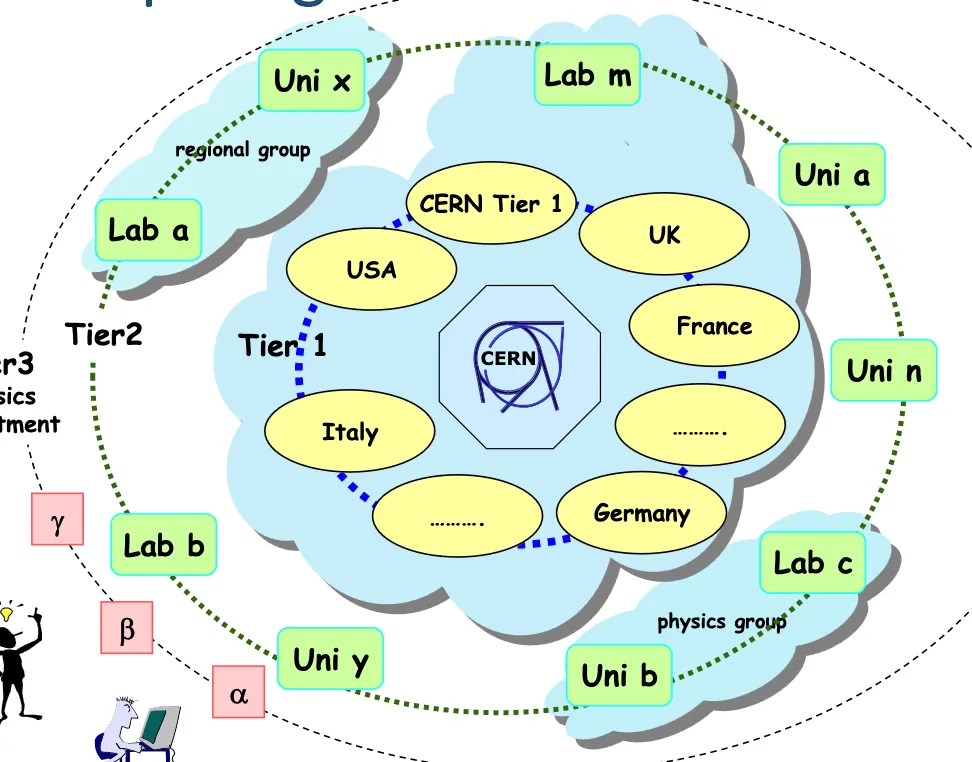
Early history of the LHC Grid
1998-2010: Les Robertson, first WLCG Project Leader

The Protocol Wars & the Web at CERN
1980’s. By Maria Dimou & Nathaniel Borenstein, with Vint Cerf
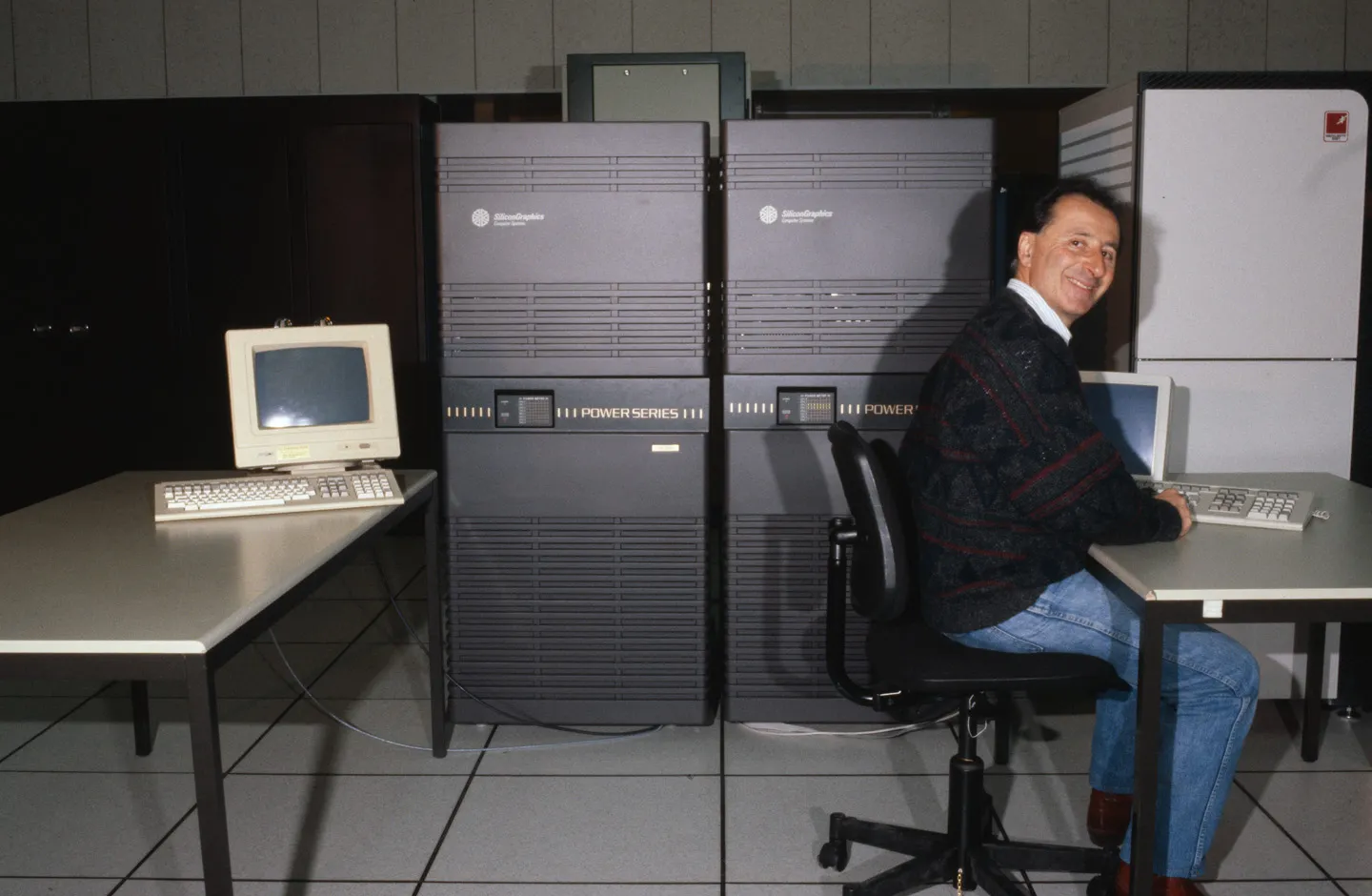
The SHIFT Project
Early forerunner technology from CERN
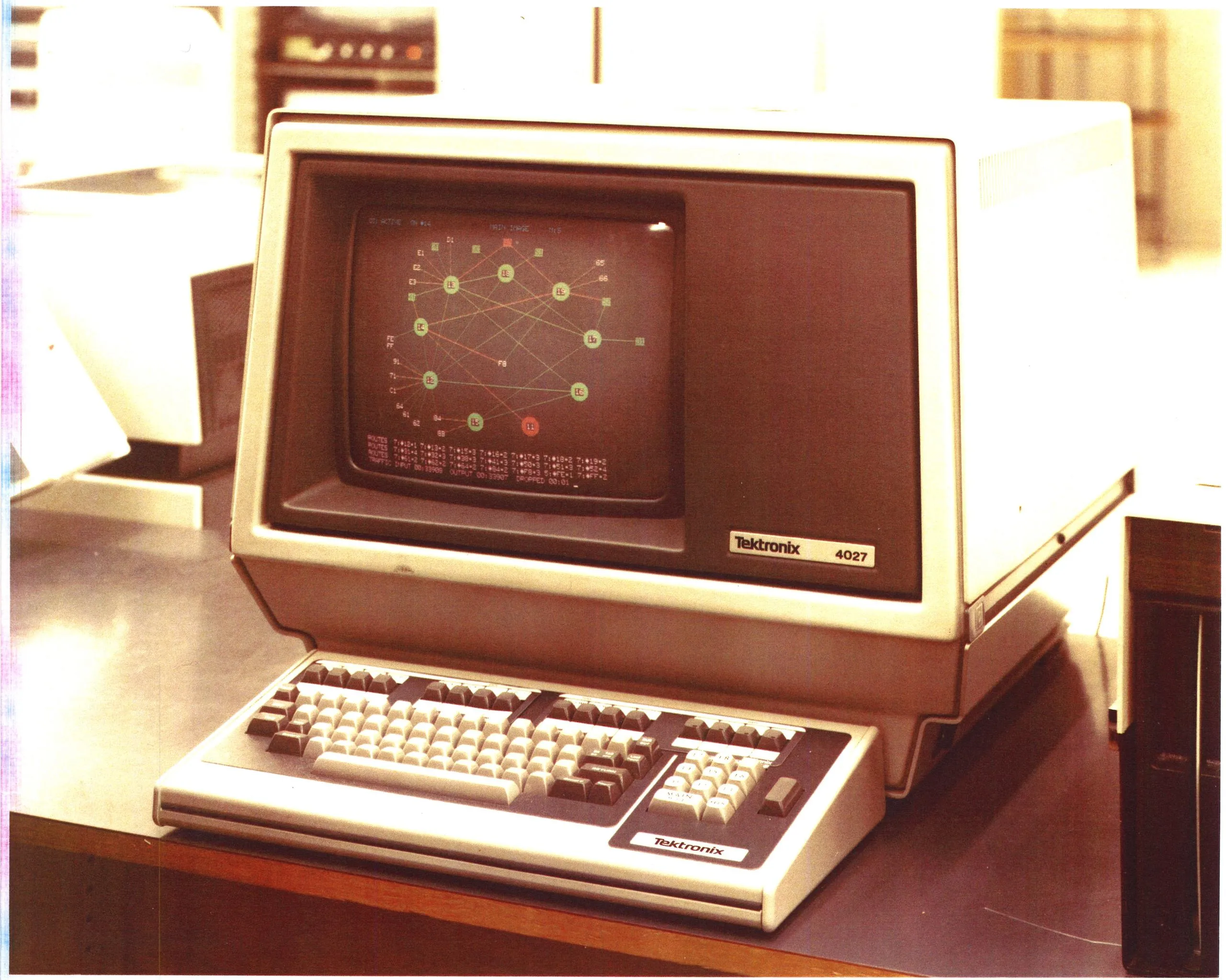
Distributed computing (history): The Network(s)
1980’s. Ben Segal, one of the key CERN players in internet protocols
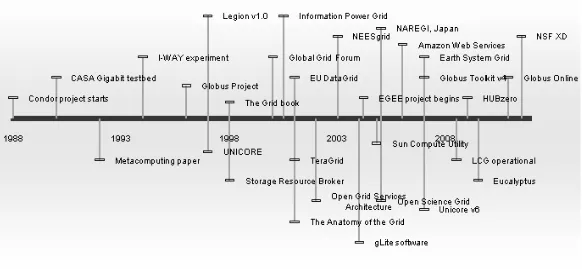
History of the Grid
The creators of the Grid concept look back.
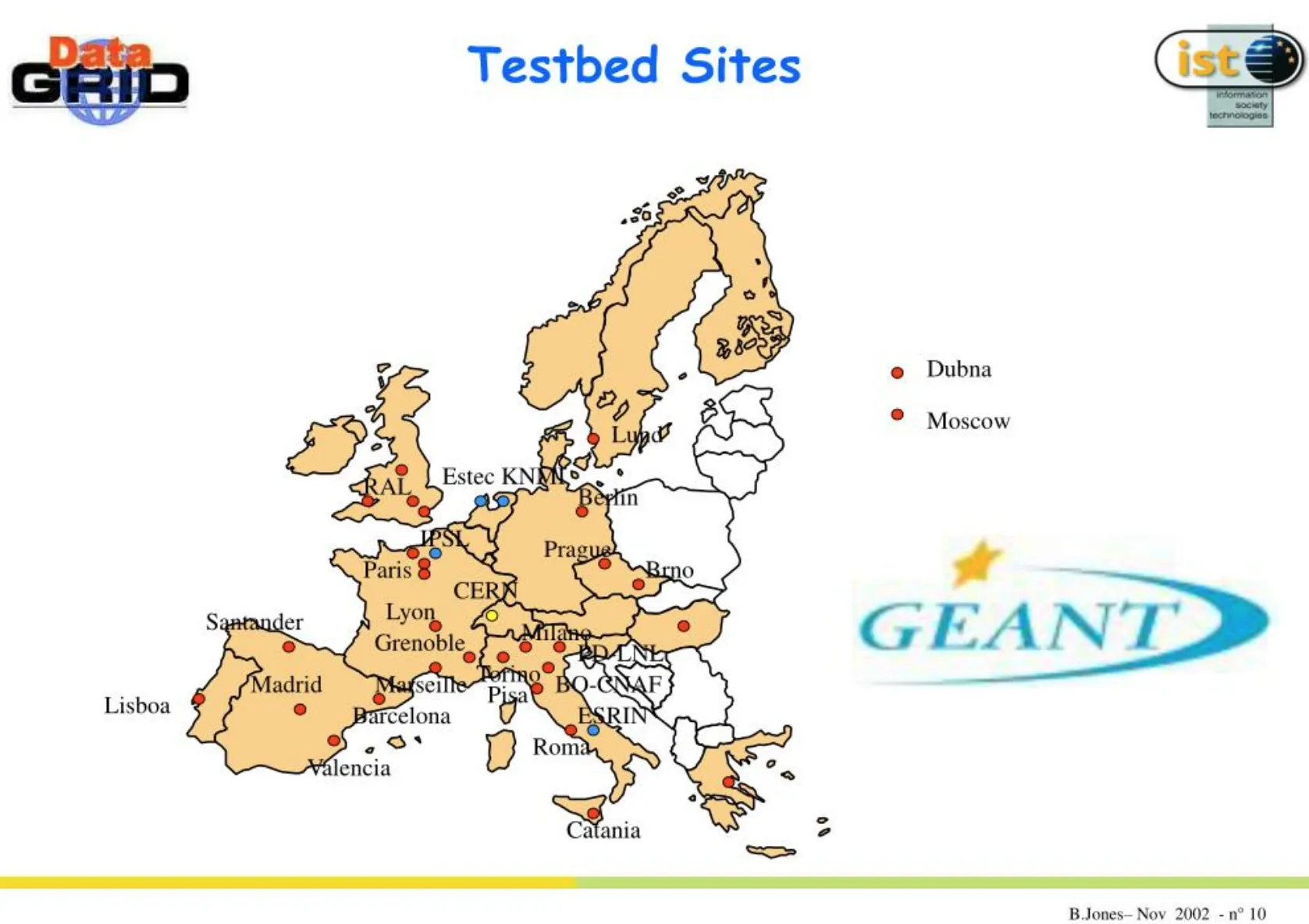
European DataGrid Project Demonstrated Successfully
Report from 2002, proof of concept!
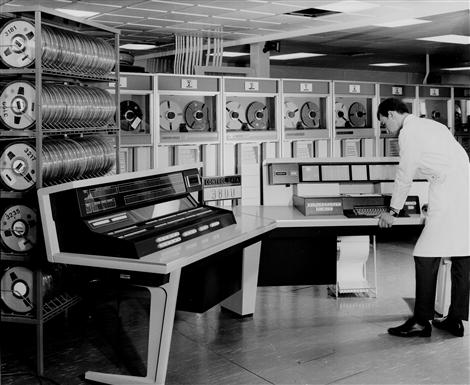
Computing history at CERN
Closely tied with the development of WLCG
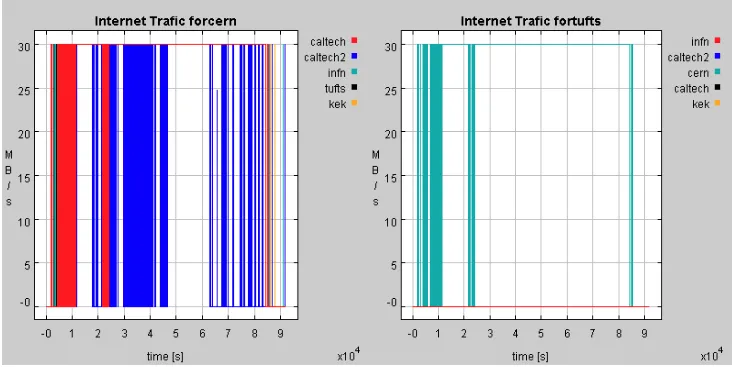
LHC Computing: past, present and future
P. Charpentier, CHEP2018
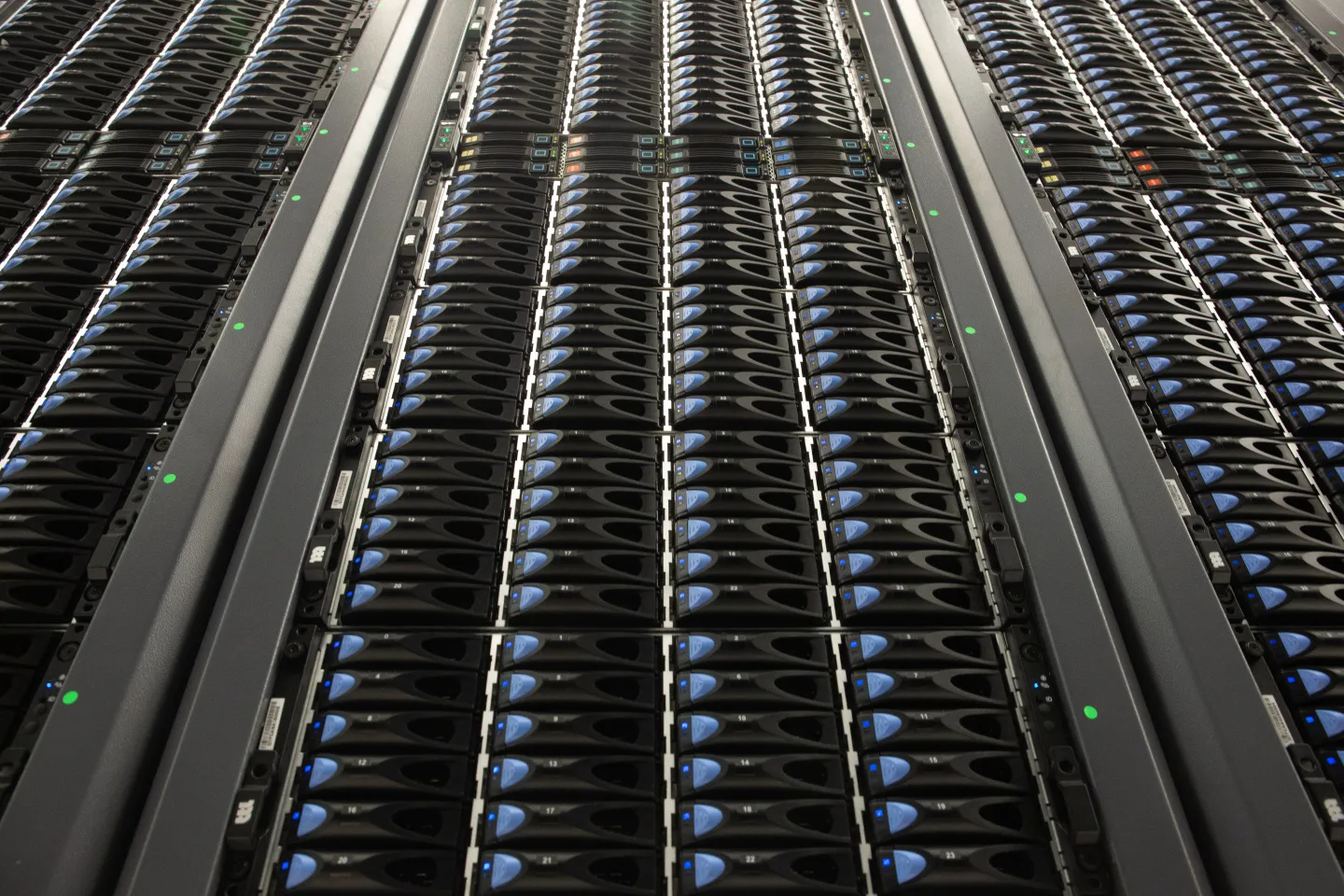
CERN & Big Data/Internet of Things
Jamie Shiers, 2016
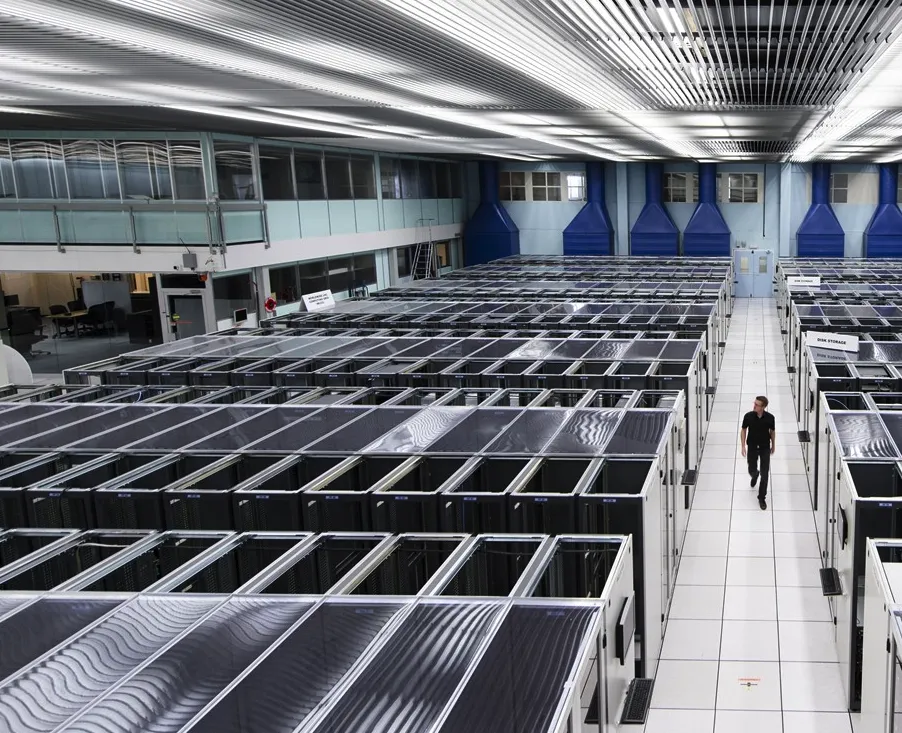
CERN Computing & LHC Run 2
WLCG during 2015-2020


20 years with European Grid Initiative
With Maarten Limaath